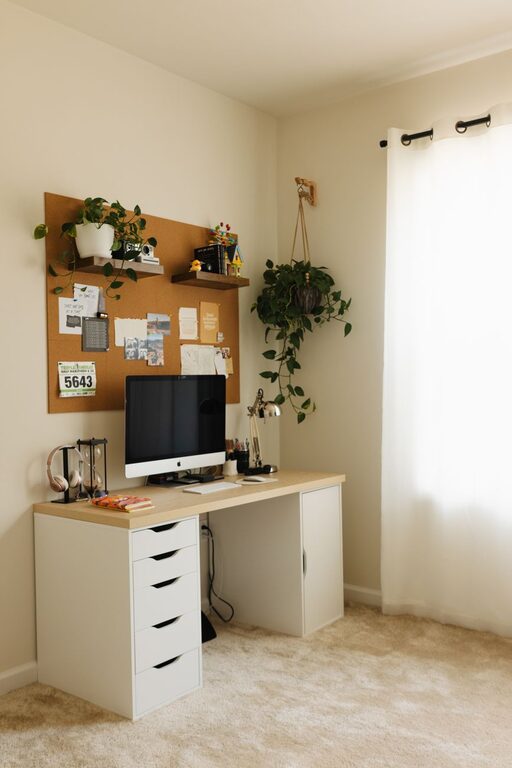
Tips for Creating a Productive Home Office Environment
kyfejeo.pro >> citizens>> Tips for Creating a Productive Home Office Environment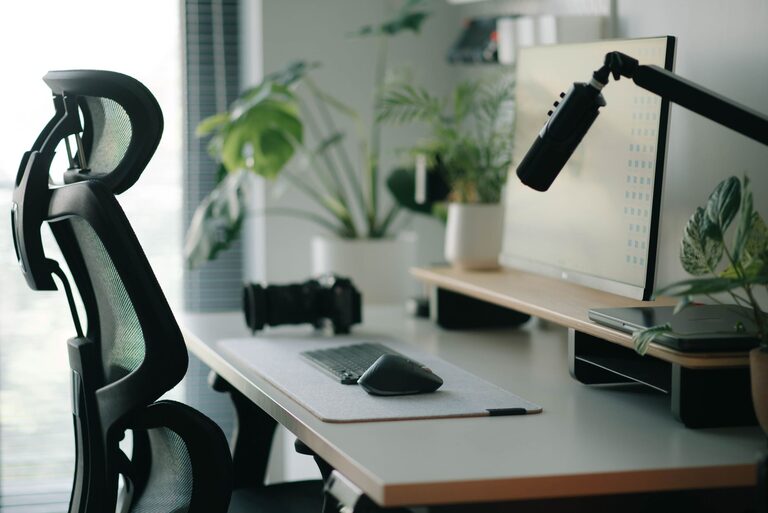
Tips for Creating a Productive Home Office Environment
Creating a productive home office environment is essential for anyone working remotely or juggling tasks from home. A well-organized and comfortable workspace can improve focus, reduce stress, and help maintain a healthy work-life balance. Whether you have a dedicated room or a small corner in your living space, these tips will guide you in designing your ideal home office.
Choose the Right Location
Consider Natural Light and Noise Levels
Selecting a location with ample natural light can improve mood and energy levels. Try to position your desk near windows, but avoid glare on your computer screen. Also, assess the noise levels in different areas of your home—choose a quieter spot to minimize distractions.
Separate Work and Living Spaces
If possible, pick a space that is separate from where you relax or sleep. Physically distinguishing your work area helps your brain switch into work mode and makes it easier to unplug when the workday ends.
Invest in Ergonomic Furniture
Comfortable Chair and Desk
An ergonomic chair that supports your back and a desk at the right height are crucial. Sitting for long periods can lead to discomfort or injury, so prioritize furniture designed to maintain good posture.
Consider Adjustable Options
Adjustable desks that allow you to alternate between sitting and standing can enhance comfort and reduce fatigue. Small changes like this can lead to better focus and productivity.
Organize Your Workspace
Declutter Regularly
Keep your desk surface clear of unnecessary items. A clean workspace reduces distractions and helps you stay focused. Use organizers, trays, or drawers to store supplies.
Use Efficient Storage Solutions
Shelves, filing cabinets, or wall organizers can keep essential documents and equipment within reach without cluttering your desk area.
Optimize Lighting
Combine Natural and Artificial Lighting
In addition to natural light, make sure your workspace has adequate artificial lighting. A desk lamp with adjustable brightness can reduce eye strain, especially when working early in the morning or late at night.
Avoid Harsh Lighting
Soft, warm bulbs are easier on the eyes and create a welcoming atmosphere that promotes concentration.
Set Up Technology Thoughtfully
Reliable Internet Connection
A stable internet connection is vital for remote work. Position your workspace near the router or consider a wired connection for better speed and stability.
Minimize Cable Clutter
Use cable organizers or clips to manage cords and keep your desk tidy. This not only looks better but also prevents accidents or damage to equipment.
Equip Necessary Gadgets
Ensure you have all the tools you need: a quality monitor, keyboard, mouse, and headset can improve your work experience.
Establish Boundaries and Routines
Define Working Hours
Set specific start and end times to create a routine. This helps separate work from personal life and signals to others when you should not be disturbed.
Communicate with Household Members
Let people in your home know your schedule and workspace boundaries. This can reduce interruptions and improve your focus.
Personalize Your Space
Add Touches That Inspire You
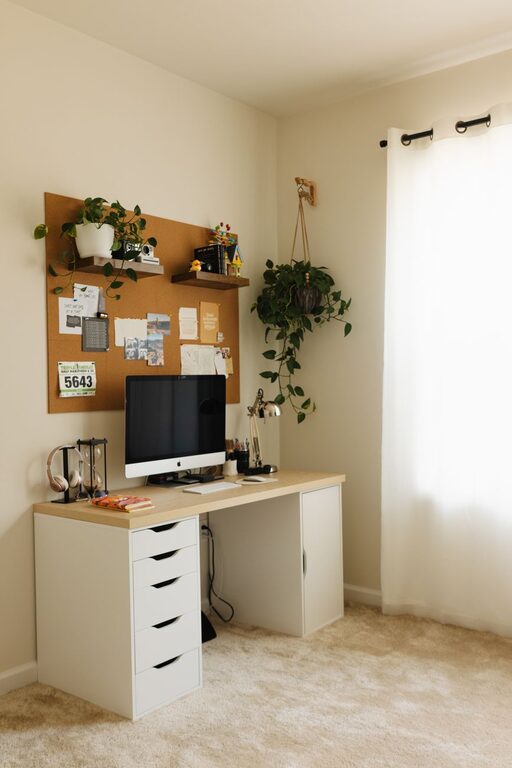
Decorate your office with plants, artwork, or photos that make you feel relaxed and motivated. Personal touches can improve your mood and creativity.
Keep Essentials Handy
Have items like notebooks, pens, or a water bottle within easy reach to avoid unnecessary breaks and maintain workflow.
Maintain Good Air Quality and Comfort
Ensure Proper Ventilation
A well-ventilated room keeps fresh air circulating, preventing stuffiness and keeping you alert.
Control Temperature
Keep your workspace at a comfortable temperature, neither too hot nor too cold. Layered clothing or a small fan/heater can help maintain comfort throughout the day.
Take Breaks and Move Regularly
Schedule Short Breaks
Step away from your desk every hour for a few minutes. Stretching or walking around helps reduce stiffness and refreshes your mind.
Incorporate Physical Activity
Consider light exercises or yoga during longer breaks to improve circulation and boost energy levels.
—
Creating a productive home office environment doesn’t require a complete overhaul of your space. By making thoughtful choices about location, furniture, lighting, organization, and routines, you can foster a workspace that supports your best work. Remember, comfort and functionality go hand in hand in building a home office that helps you stay focused, motivated, and balanced throughout your day.
Related Post
Tips for Creating a Productive Home Office Environment
Creating a productive home office environment is essential for anyone working remotely or handling tasks…