
Tips for Creating a Relaxing Home Workspace
kyfejeo.pro >> citizens>> Tips for Creating a Relaxing Home Workspace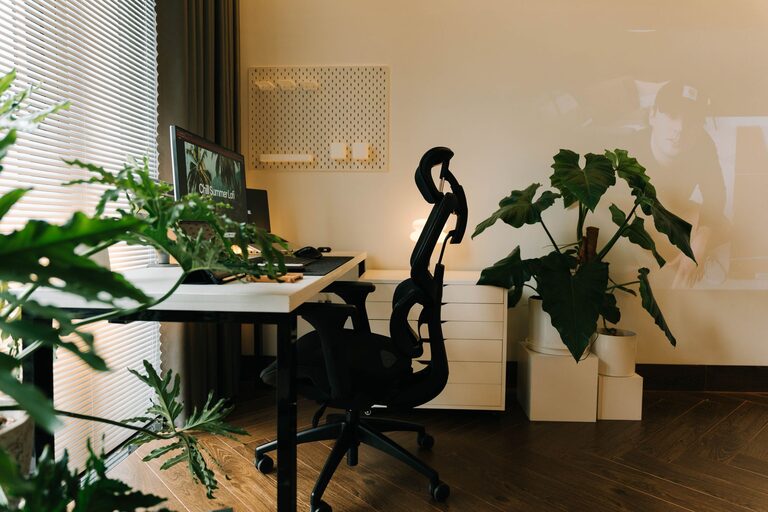
Tips for Creating a Relaxing Home Workspace
Creating a relaxing home workspace is essential for anyone working remotely or spending significant time on projects at home. A well-designed workspace not only boosts productivity but also helps reduce stress and maintain a healthy work-life balance. If you’ve been feeling distracted or overwhelmed in your current setup, it’s time to rethink your space. Here are practical tips to transform your home workspace into a calm and inviting environment.
1. Choose the Right Location
The first step in creating a relaxing workspace is finding the right spot in your home. Ideally, pick a place that:
– Is quiet and away from heavy foot traffic
– Gets natural light during the day
– Allows privacy when needed
– Has enough room for your work materials and equipment
If space is tight, consider converting a nook, corner, or even a part of your living room into a dedicated work area. The key is consistency—working in the same place helps your brain associate that spot with focus and productivity.
2. Invest in Comfortable Furniture
Comfort is crucial when you spend long hours working. Here’s what to keep in mind:
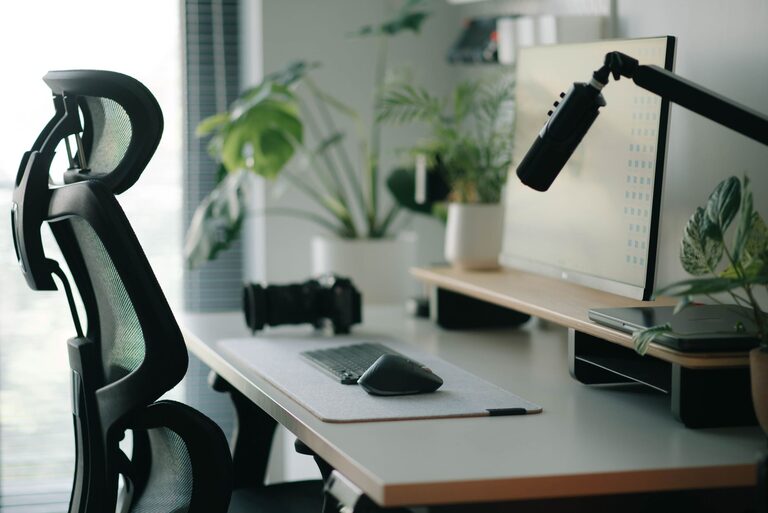
– Ergonomic chair: Choose a chair that supports your lower back and encourages good posture.
– Desk at the right height: Your desk should allow your arms to rest at a 90-degree angle when typing.
– Additional support: If needed, add footrests, cushions, or wrist rests to improve comfort.
Comfort reduces physical strain and makes it easier to concentrate. If you can, opt for furniture that balances both function and aesthetics.
3. Optimize Lighting
Lighting can greatly impact your mood and energy levels. To create a relaxing workspace:
– Use as much natural light as possible. Position your desk near a window, but avoid direct glare on your screen.
– Supplement with soft, warm artificial lighting. Avoid harsh, overhead fluorescent lights.
– Consider adjustable desk lamps with dimming options to control brightness based on the time of day.
Well-planned lighting reduces eye strain and fosters a soothing ambiance.
4. Declutter and Organize
A cluttered workspace often leads to a cluttered mind. Keeping your area tidy improves focus and decreases stress.
– Keep only essentials on your desk.
– Use storage boxes, shelves, or drawer organizers to put away documents and supplies.
– Implement a daily or weekly cleaning routine to maintain order.
– Use cable organizers to prevent tangled cords.
A neat and organized workspace helps your thoughts stay clear and your tasks manageable.
5. Add Calming Colors and Personal Touches
Colors can influence how you feel. To promote relaxation:
– Choose soft, muted colors for your walls and decor such as light blues, greens, or neutrals. These tones tend to be calming and reduce stress.
– Incorporate personal touches like photos, artwork, or meaningful objects that inspire you.
– Avoid overly bright or distracting patterns that might cause visual noise.
Striking a balance between personalization and simplicity encourages both comfort and professionalism.
6. Incorporate Elements of Nature
Bringing a bit of nature into your workspace can have a positive impact on your mood and creativity.
– Add one or two easy-care plants, such as succulents or pothos, to your desk or nearby shelves.
– Use natural materials like wood or stone in your furniture or accessories.
– Position your desk to enjoy views of outdoor greenery if possible.
Natural elements can help reduce anxiety and improve air quality, supporting a healthier work environment.
7. Manage Noise Levels
Noise distractions can disrupt your workflow and increase tension. Consider these strategies:
– Use noise-canceling headphones if you work in a noisy household or neighborhood.
– Play soft instrumental music or ambient sounds to drown out disruptive noises.
– Set ground rules with family members or roommates during work hours to minimize interruptions.
Creating a quiet and controlled sound environment helps maintain focus and peace of mind.
8. Incorporate Break Areas and Movement
A relaxing workspace should also encourage regular breaks and physical activity.
– Designate a small space near your workstation for stretching or short breaks.
– Stand up and move around periodically to reduce fatigue.
– Use a sit-stand desk if possible to alternate between sitting and standing.
Frequent movement refreshes your body and mind, increasing productivity and relaxation.
9. Use Technology Wisely
Technology is essential but can also lead to stress if not managed properly.
– Keep your computer and devices updated to avoid glitches.
– Use apps or tools that help with task management and reduce distractions.
– Limit notifications from social media or non-urgent sources during work hours.
Smart use of technology supports a smoother workflow and less mental clutter.
10. Set Boundaries and Routine
Finally, a relaxing workspace works best when paired with clear boundaries and routines.
– Set consistent working hours and communicate them to those around you.
– Designate your workspace strictly for work to keep focus.
– Develop rituals like morning stretches or a cup of tea before starting to signal the beginning of the workday.
Boundaries help separate work life from personal time, contributing to overall well-being.
—
By applying these tips, you can create a relaxing home workspace that supports both your productivity and peace of mind. Take time to personalize your space, listen to your body’s needs, and maintain habits that promote calm and focus. Your workdays will feel more enjoyable and less stressful in a thoughtfully designed environment.
Related Post
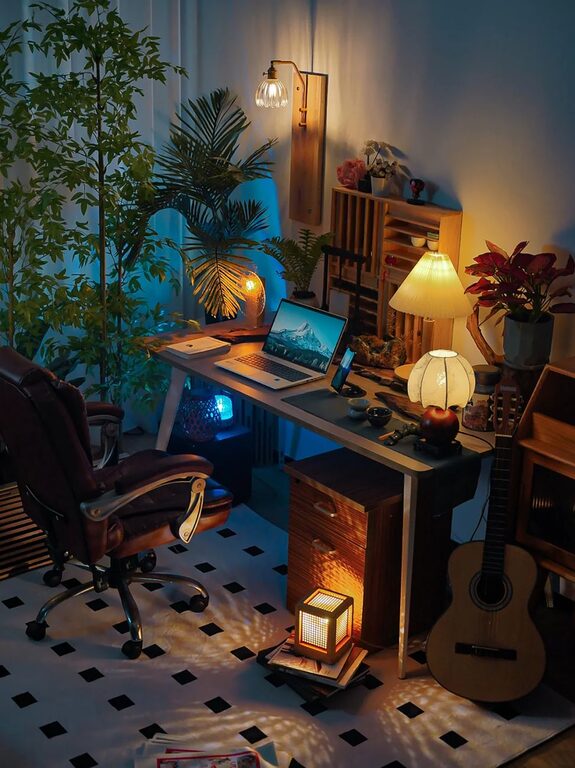
Tips for Creating a Cozy and Functional Home Office Space
Creating a home office that is both cozy and functional can transform the way you…