
Tips for Creating a Productive Home Office Environment
kyfejeo.pro >> Productivity>> Tips for Creating a Productive Home Office Environment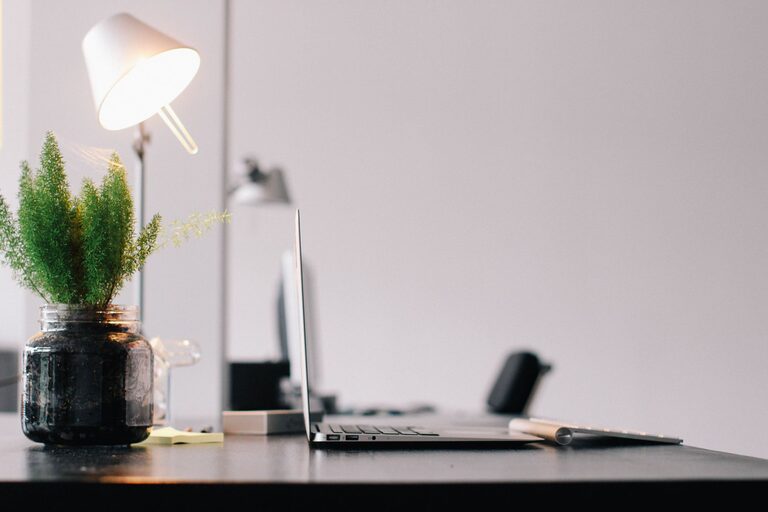
Tips for Creating a Productive Home Office Environment
Creating a productive home office environment is essential for anyone working remotely or managing tasks outside of a traditional office. A well-organized and comfortable workspace can help improve focus, reduce distractions, and promote a better work-life balance. In this post, we’ll explore practical tips to help you design a home office that supports your daily productivity.
Choose the Right Location
Find a Quiet Spot
Select a space in your home that offers minimal noise and foot traffic. A quiet environment helps you concentrate and reduces interruptions during work hours.
Consider Natural Light
Natural light is known to boost mood and energy. If possible, position your desk near a window to take advantage of daylight, while also minimizing glare on your computer screen.
Control Temperature and Ventilation
Make sure your workspace is comfortable temperature-wise. Good airflow and a suitable climate can prevent discomfort, which may distract from your work.
Invest in Ergonomic Furniture
Opt for a Supportive Chair
A comfortable, adjustable office chair supports good posture and reduces the risk of back pain. Look for chairs with lumbar support and adjustable height.
Choose the Right Desk
Pick a desk that fits your space but also provides enough room for your computer, documents, and other essentials. Standing desks or adjustable options can offer flexibility during the day.
Position Your Screen Properly
Your computer monitor should be at eye level to avoid neck strain. Use a stand or adjustable arm if needed.
Organize Efficiently
Declutter Your Workspace
Keep only the items you need daily in your workspace. A clutter-free desk helps clear your mind and makes it easier to focus.
Use Storage Solutions
Use shelves, drawers, or organizers to store supplies and paperwork neatly. Labeling containers or files can save time when searching for things.
Manage Cables
Tidy up cords and cables with clips or cable organizers to avoid tangles and maintain a clean appearance.
Set Boundaries to Minimize Distractions
Establish Work Hours
Define clear start and end times for your workday. This helps separate work time from personal time and keeps you accountable.
Communicate with Household Members
Let family or housemates know your schedule and request quiet during work periods to minimize interruptions.
Limit Social Media and Notifications
Turn off non-essential notifications on your phone or computer to reduce disruptions. Consider apps that block distracting sites during work hours.
Create a Comfortable Atmosphere
Add Personal Touches
Include items that inspire or relax you, such as plants, artwork, or photos. These elements can make your workspace feel inviting and boost your mood.
Pay Attention to Lighting
In addition to natural light, use a desk lamp or overhead lighting that’s bright but not harsh. Proper lighting reduces eye strain and fatigue.
Incorporate Break Spaces
If space allows, designate an area for short breaks or stretching. Taking regular breaks helps maintain energy and focus.
Use Technology to Your Advantage
Choose Reliable Equipment
Ensure your computer, internet connection, and other devices are dependable to avoid frustrating interruptions.
Utilize Productivity Tools
Apps and software like calendars, to-do lists, or time trackers can help organize tasks and manage deadlines efficiently.
Backup Your Work
Regularly save and back up important files to avoid data loss and reduce stress.
Maintain Healthy Habits
Take Regular Breaks
Follow the 20-20-20 rule: every 20 minutes, look at something 20 feet away for 20 seconds to reduce eye strain.
Stay Hydrated and Nourished
Keep water and healthy snacks at your desk to maintain energy levels.
Move Often
Incorporate stretches or short walks during breaks to improve circulation and reduce stiffness.
Final Thoughts
Designing a productive home office is about creating a space that supports your unique needs and work style. By focusing on ergonomics, organization, minimizing distractions, and maintaining healthy habits, you can build a home office environment where productivity thrives.
Remember, it’s okay to adjust your setup over time as you discover what works best for you. The goal is to create a balanced, comfortable area that helps you perform at your best every day. Happy working!